Chapter 2 — The World of Merretia
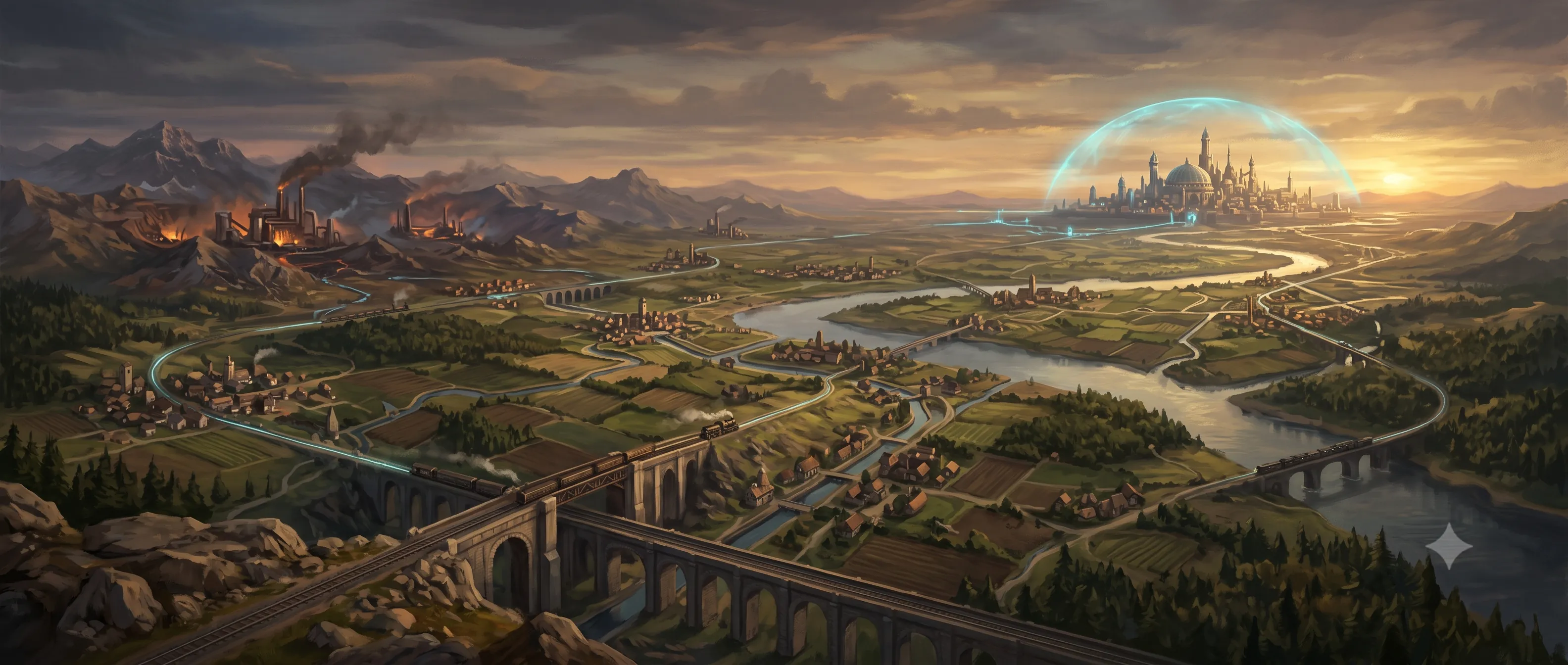
This chapter is the GM’s working map of the setting. This is the running layer: the structures you actually need at the table, and where to dig for depth.
The one thing to understand: the three layers
Section titled “The one thing to understand: the three layers”Sulamir’s politics are the engine of nearly every campaign, and they run on three stacked layers:
- The Senate of Great Houses (public, political). Roughly thirty-six seats, each held by the head of a great House. To an ordinary citizen, this is the government — it issues edicts, levies taxes, raises armies. House heraldry and public oratory live here.
- The Eighteen Guilds (public, operational). Trade lodges, discipline schools, banks, martial academies — each holding a charter over one industry or infrastructure and ruling one of the eighteen provinces. The guilds employ the people, train the practitioners, and run the visible economy.
- The Council of 18 (secret, coordinating). Behind the guilds, their eighteen senior figures coordinate as a shadow government — unacknowledged, dismissed as conspiracy theory, and the layer where the deepest decisions are actually made.
The fusion is the key. For seventeen of the eighteen, the guild’s ruling line is the House’s ruling line — the same people under two names for two audiences. A head who bundles the guild Leadership, the province’s dominant Senate seat, and the Council seat is a Fused House. The one that cannot fuse is the Temple of the One, whose authority descends from ordination, not a founding-contract lineage — which makes the Temple the singular wild card in the deck.
The load-bearing tension: a two-thirds Senate vote can strip a senator, exile a House, or call an OCTA investigation of any institution. The Council exists to make sure that power is never turned on the Council. That fragile management is where your intrigue lives.
The eighteen guilds at a glance
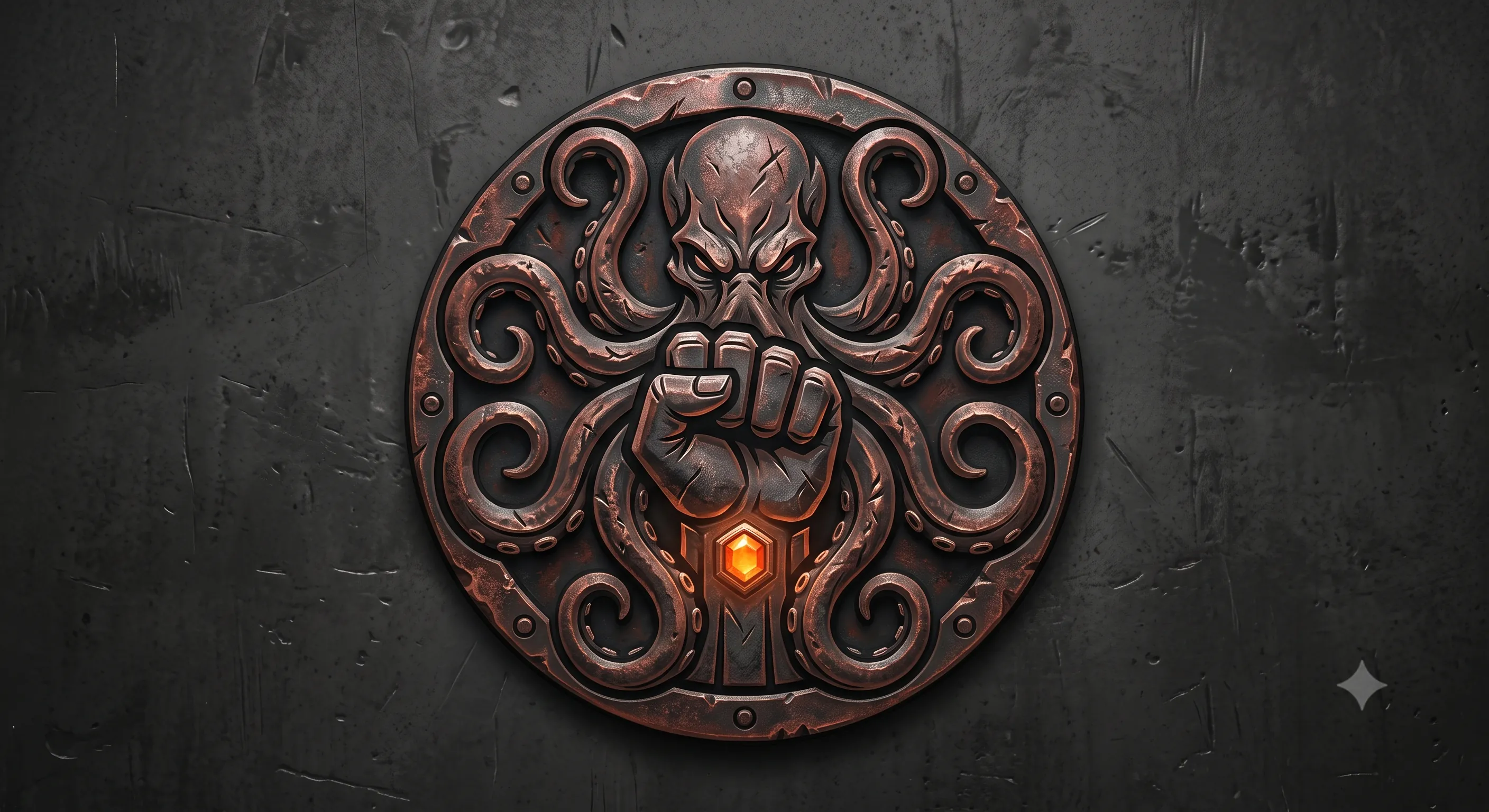
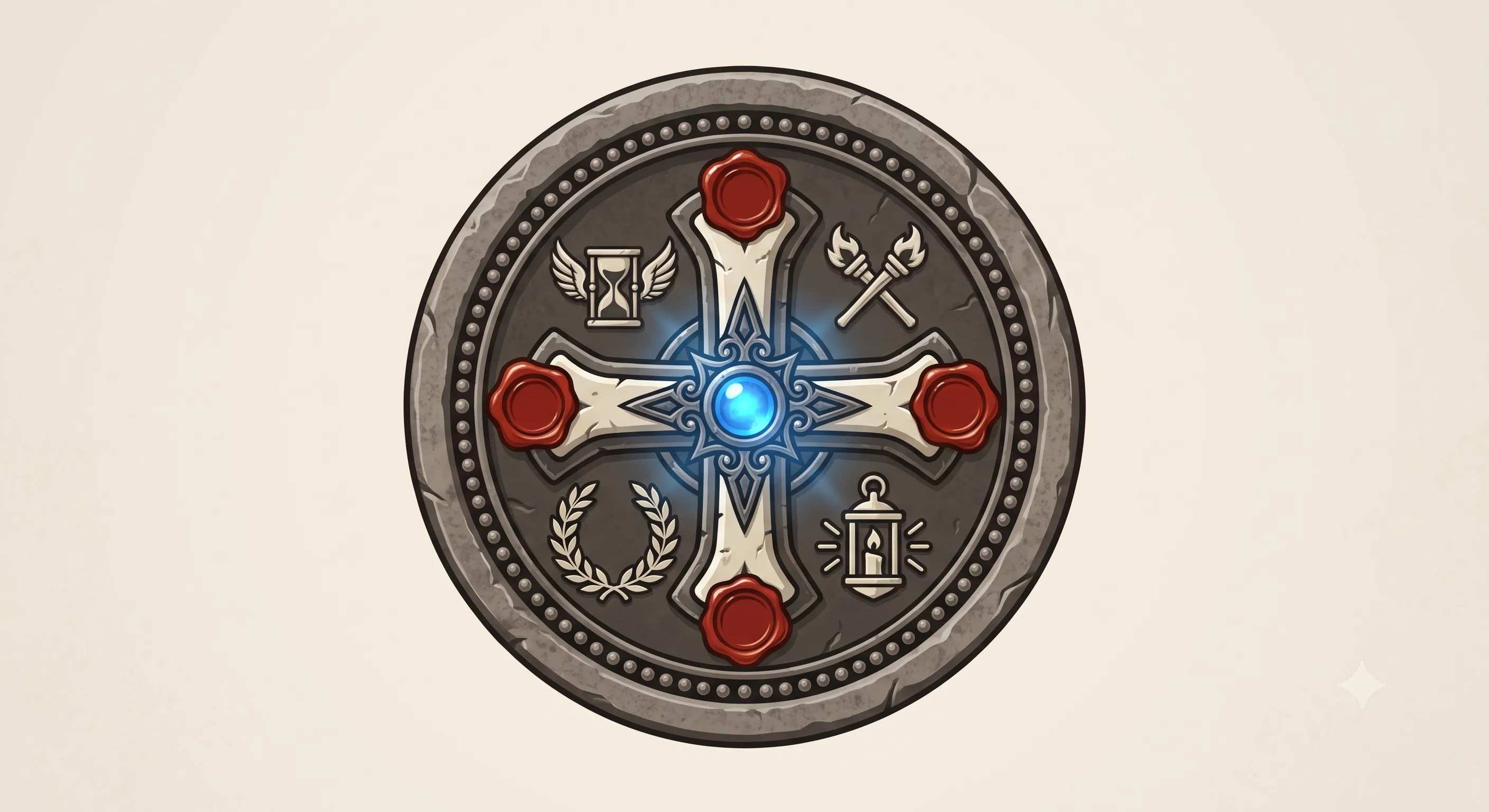
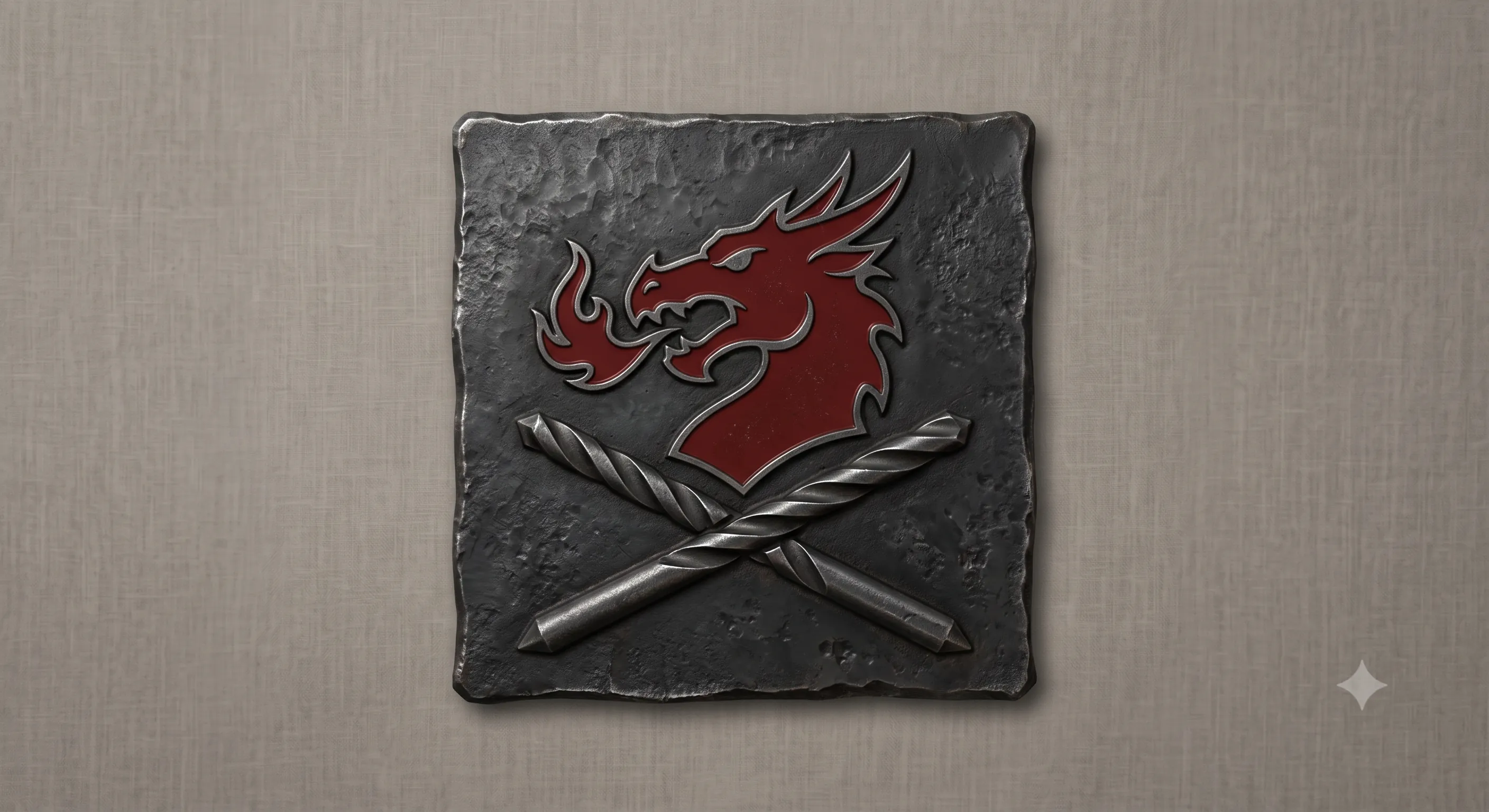
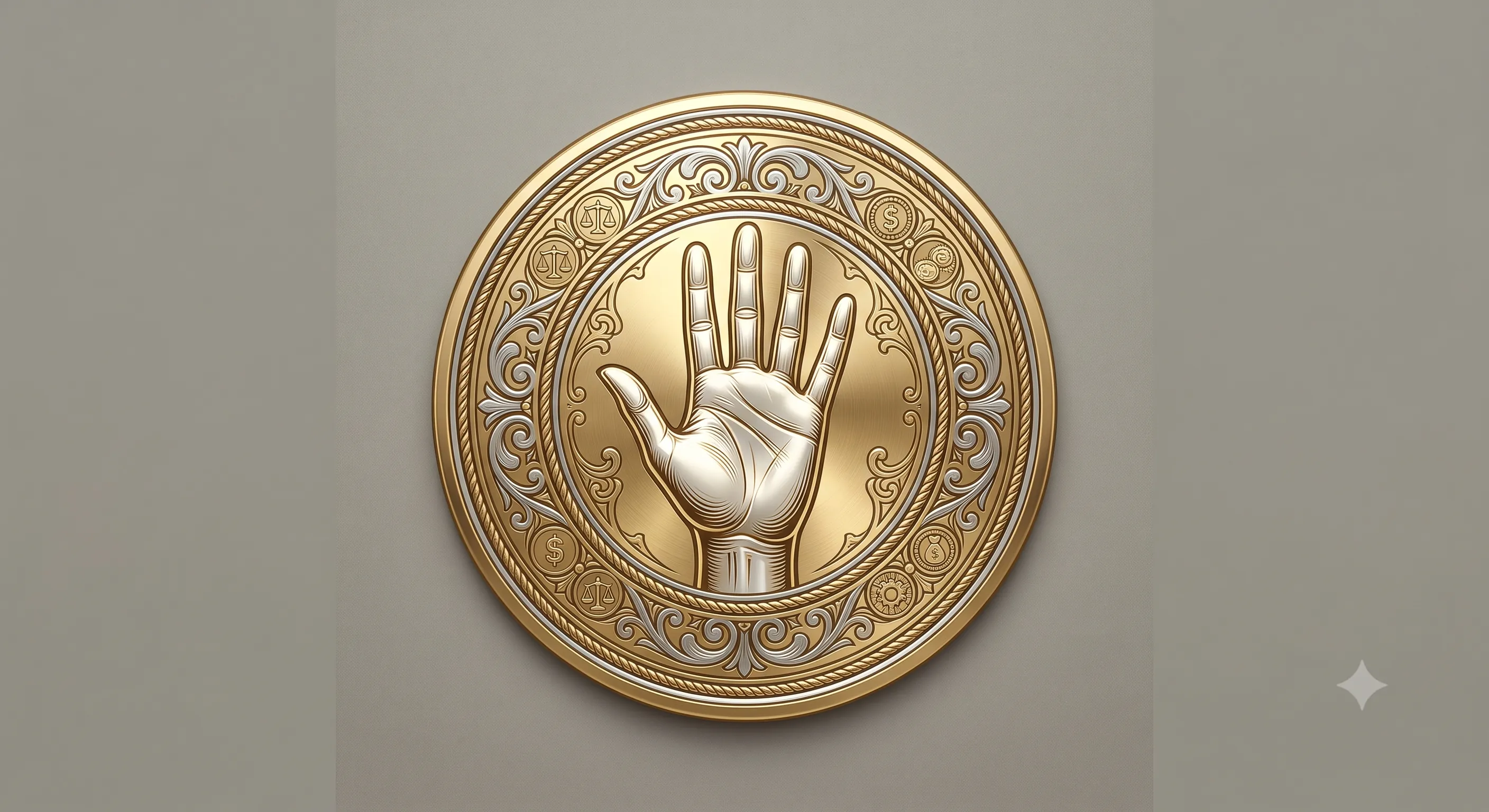
Section titled “The eighteen guilds at a glance”Each rules a province and holds a charter: Alum-sidek Alliance (the magnerail), the Masons (construction), Emphemere (high-noble society), Torrus Ectos / the Red Octopus (shock enforcement, brawler markets), Order of the Blue Cross (death rites), the Red Dragons (martial academy), Temple of the One (religion), the Iron Coin (banking & sovereign currency), Multani (diplomacy), Abyssal Fires (intelligence & archives), Bavit-vita (medicine & agriculture), Alyu’amare (marriage & alliance-brokering), the Core (mind disciplines & mediation), the Sulamir League (civic memory), Prodigus Group (engineering & logistics), Order of the Spider (espionage & sanctioned assassination), the White Legion (entertainment & celebrity), the Hand (luxury trade & high-wealth finance). Two outlaw orders operate outside the Council.
The city and the continent
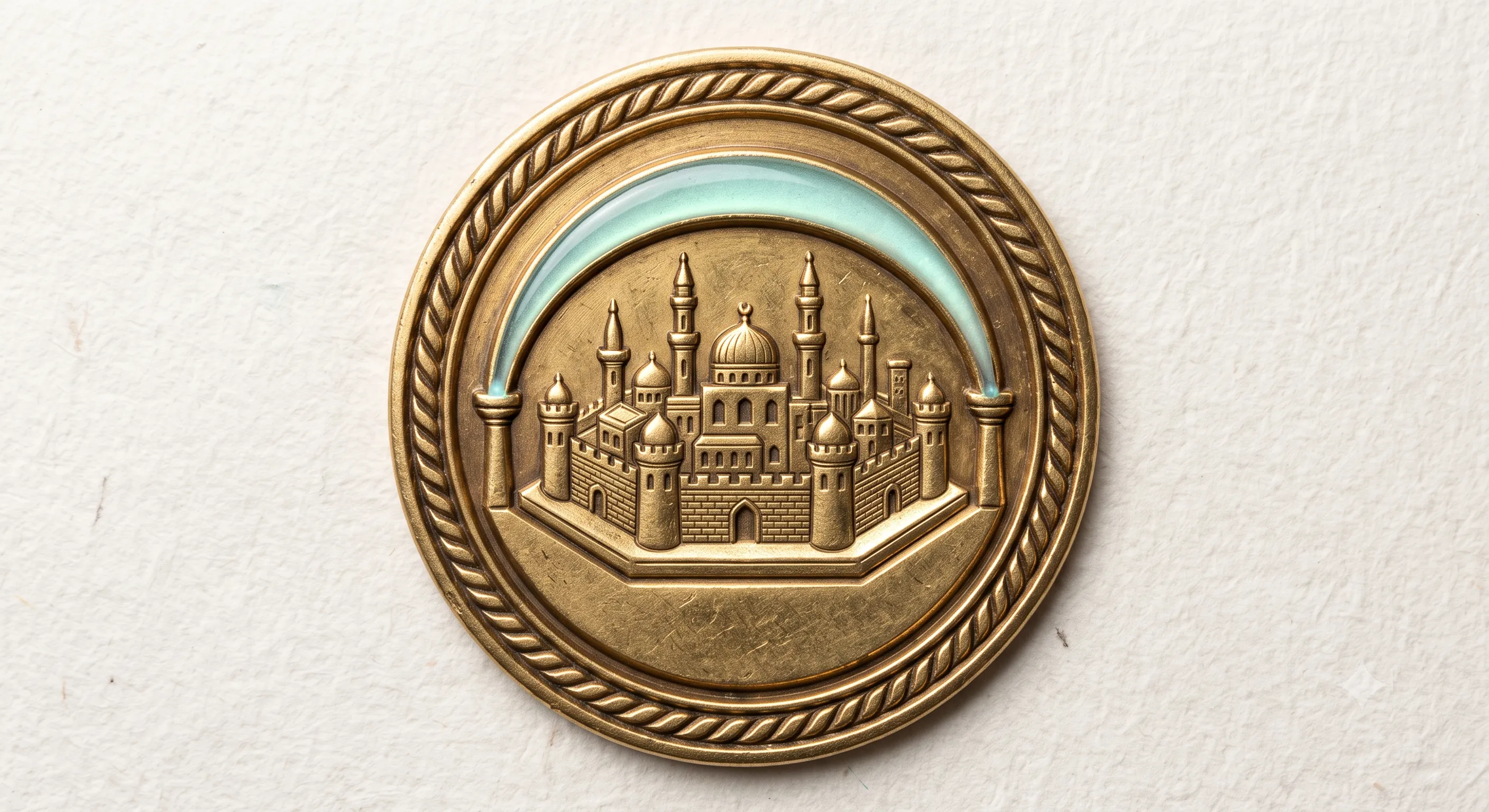
Section titled “The city and the continent”- Sulamir under the Dome. The megacity is the continent’s economic and technological powerhouse — its “1960s-USA” — sheltered by a Founding-era energy shield that turns away armies and monsters but not the Hollow. It is not cut off: the magnerail runs trains out to the provinces for trade and travel.
- The tech strata: Founding-era (angel-daemon works no one fully understands), Artificer-era (human magitech — magnerail, airships, the buried-sun grid), and Hybrid. This is an electric magitech world, not a gunpowder one.
- The wider map: the Long Rent, the continent-splitting canyon that supplies the Iron Coin’s metals; the exposed frontier and homelands beyond the Dome, where the old wars and powder still rule; and sunken Aldasen, whose fall left the Aldeken and exposed the sea-horrors of the Maw.
- The OCTA: the institution that hunts the Hollow and certifies practitioners — and, in its fear, burns legitimate dreamwalkers as often as it catches real cultists. A ready-made source of pressure, injustice, and plot.
Running the world
Section titled “Running the world”The single most useful question you can ask about any Sulamir scene: “Who does this cost, and who do they owe?” This is a civilization of debts and sworn word — guild oaths, House alliances, Iron Coin credit, the vow in a blade. Make allegiances and debts the connective tissue of your intrigue, and the three-layer structure will generate plots faster than you can write them: a Fused House overreaches, a rival calls for an OCTA investigation, the Council moves to bury it, the Temple (which cannot fuse) sees an opening.
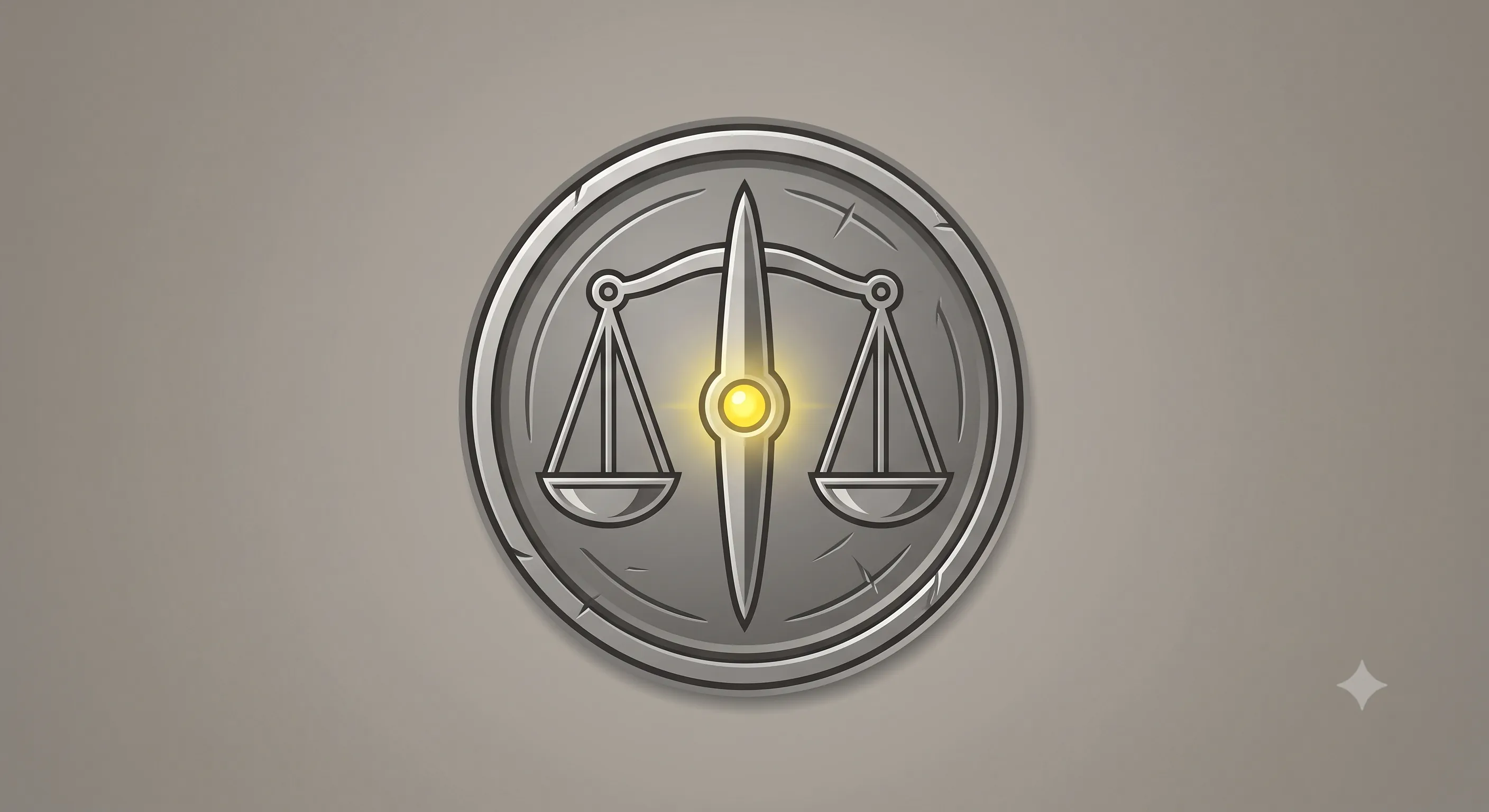
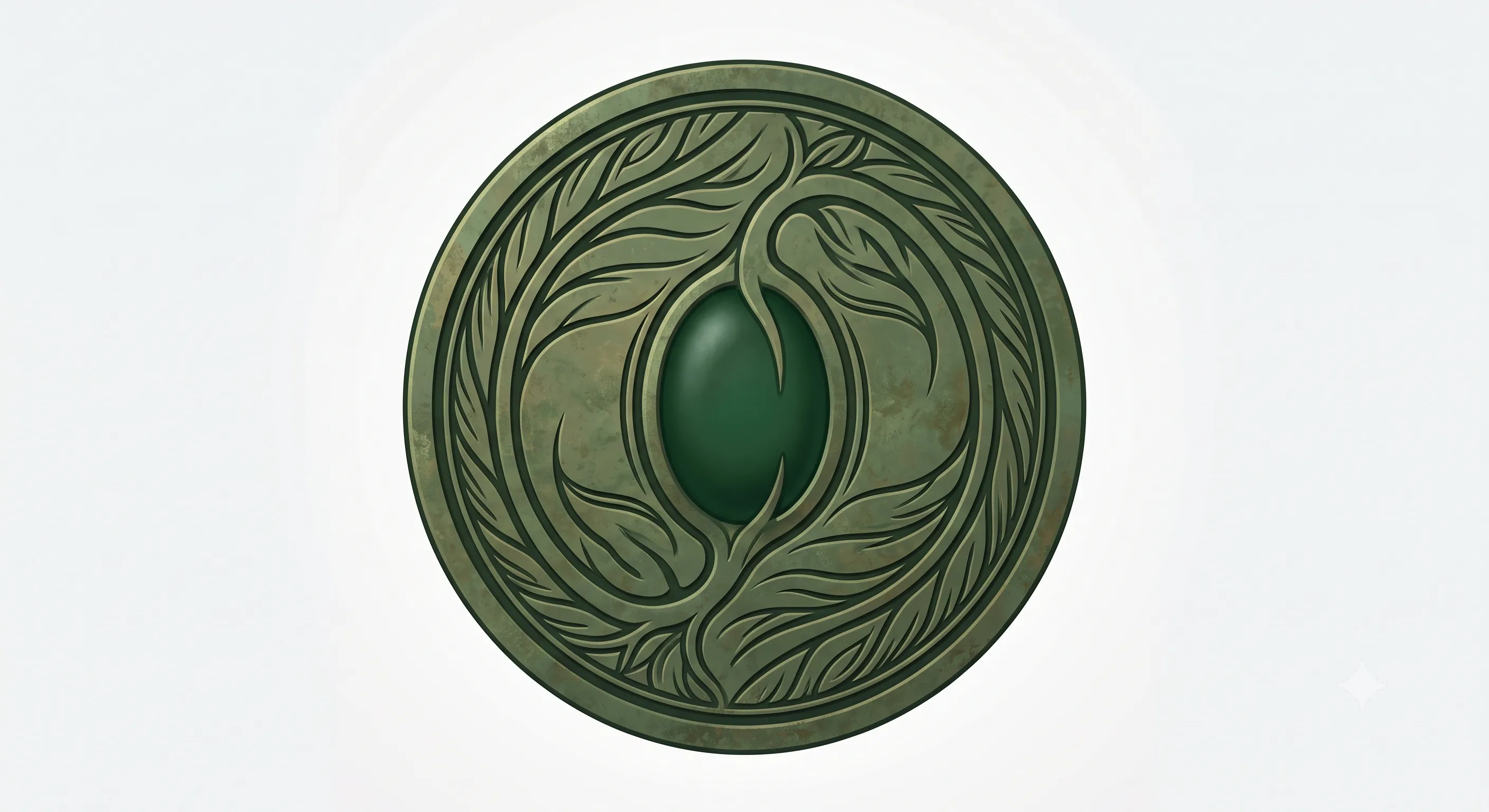
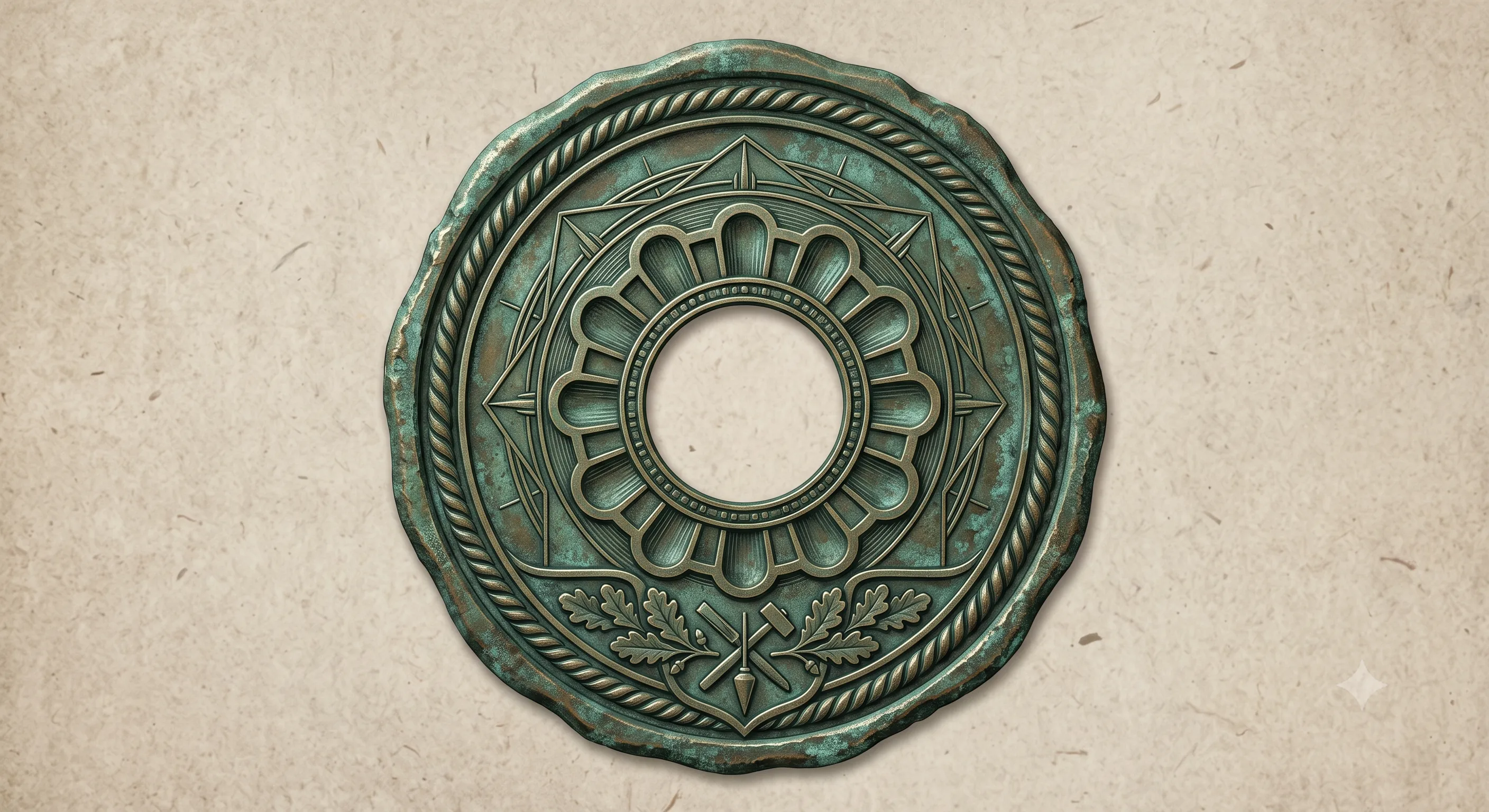
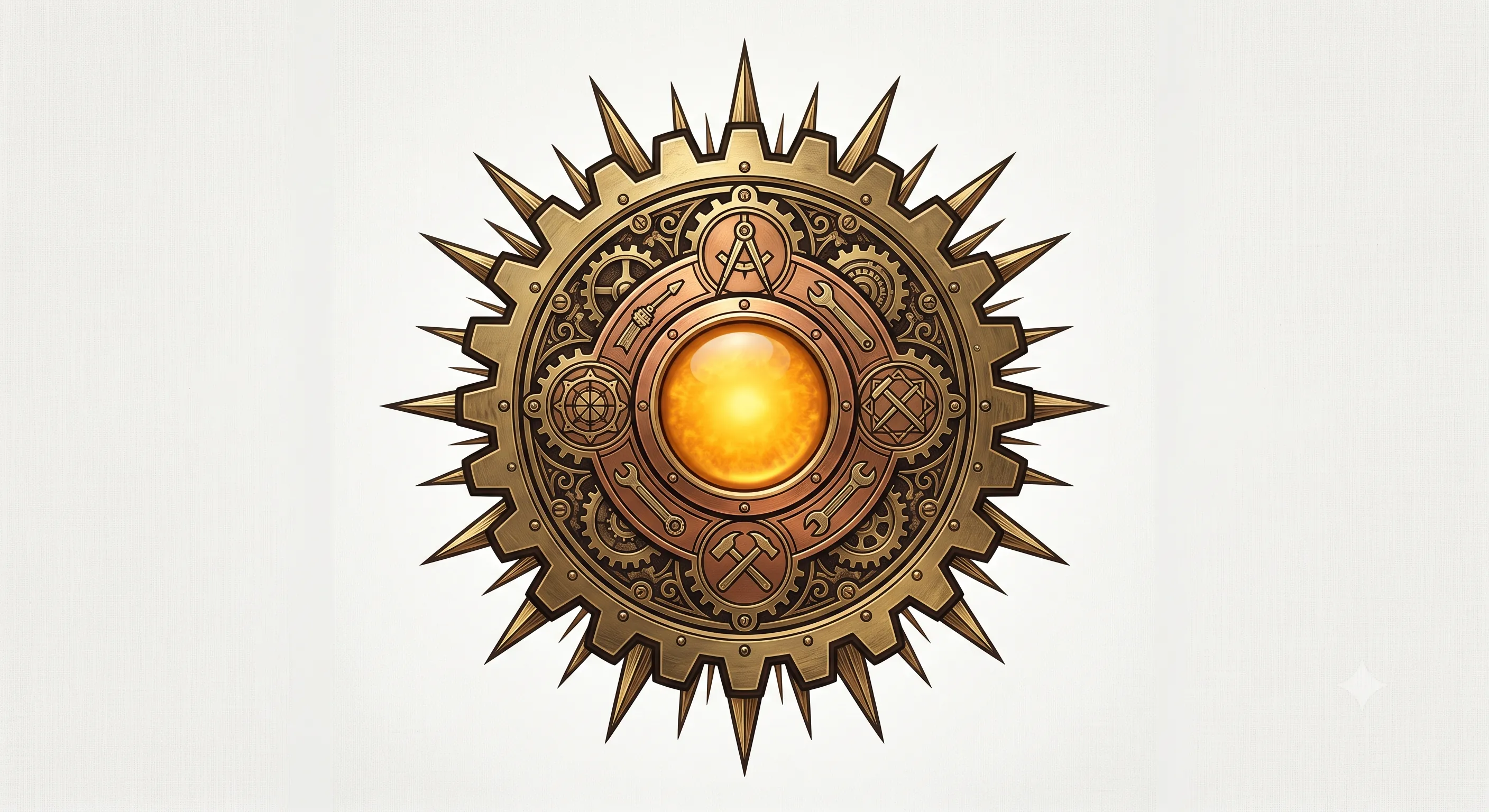
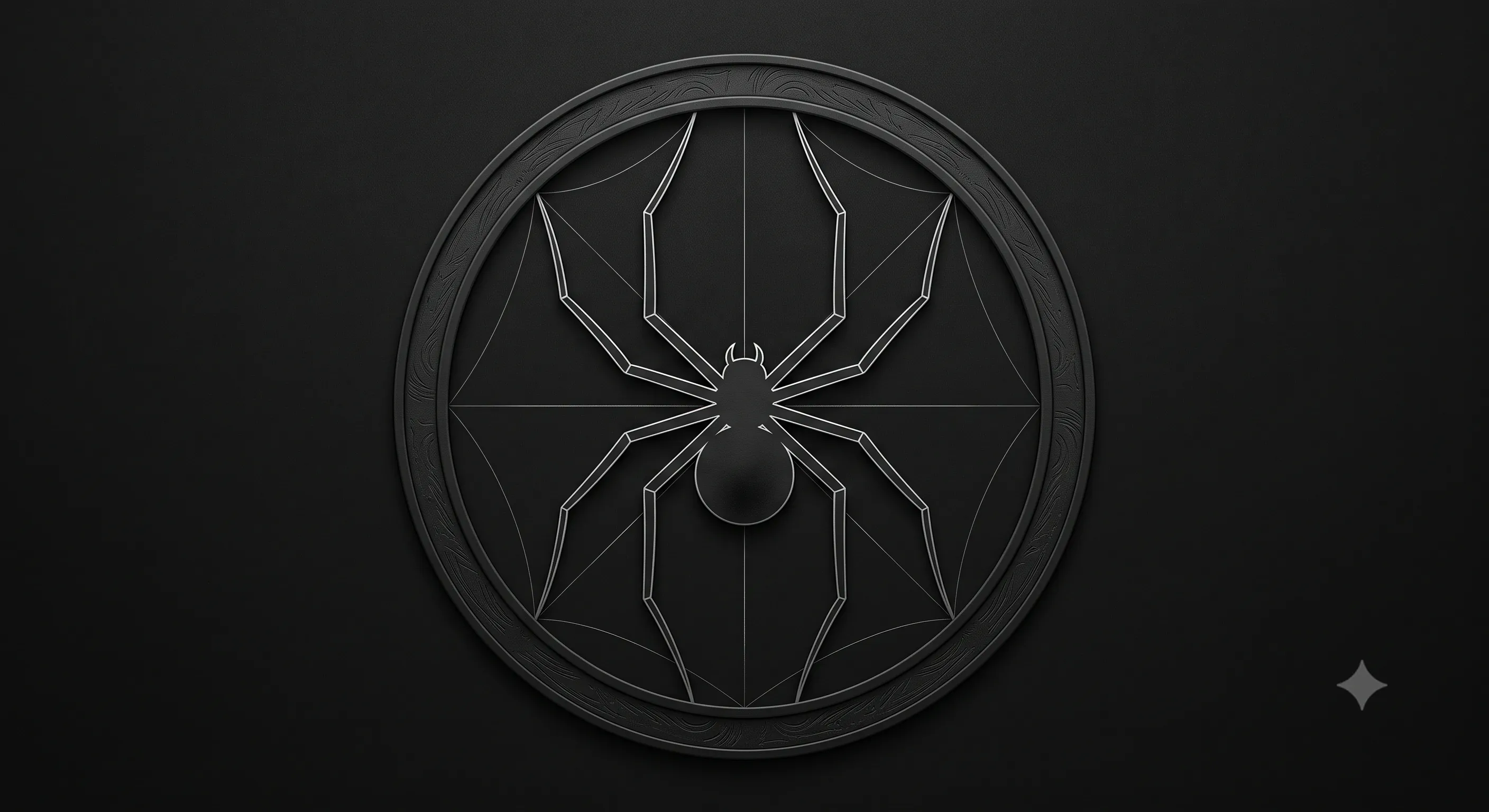
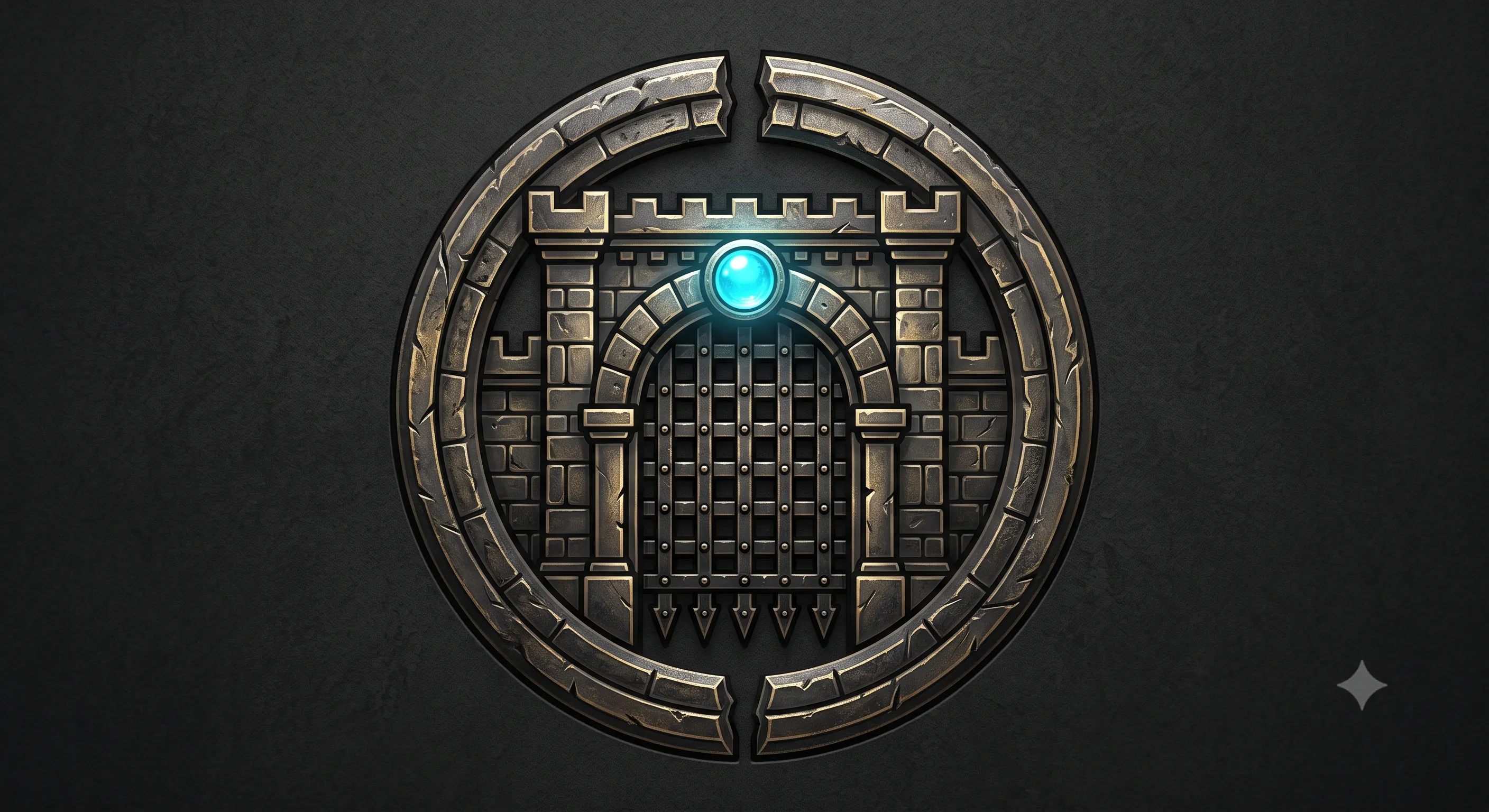
Concept gallery — Guild Sigils
Section titled “Concept gallery — Guild Sigils”






Concept gallery — Outlaw Orders & Institutional Seals
Section titled “Concept gallery — Outlaw Orders & Institutional Seals”

Concept gallery — Great-House Crests
Section titled “Concept gallery — Great-House Crests”